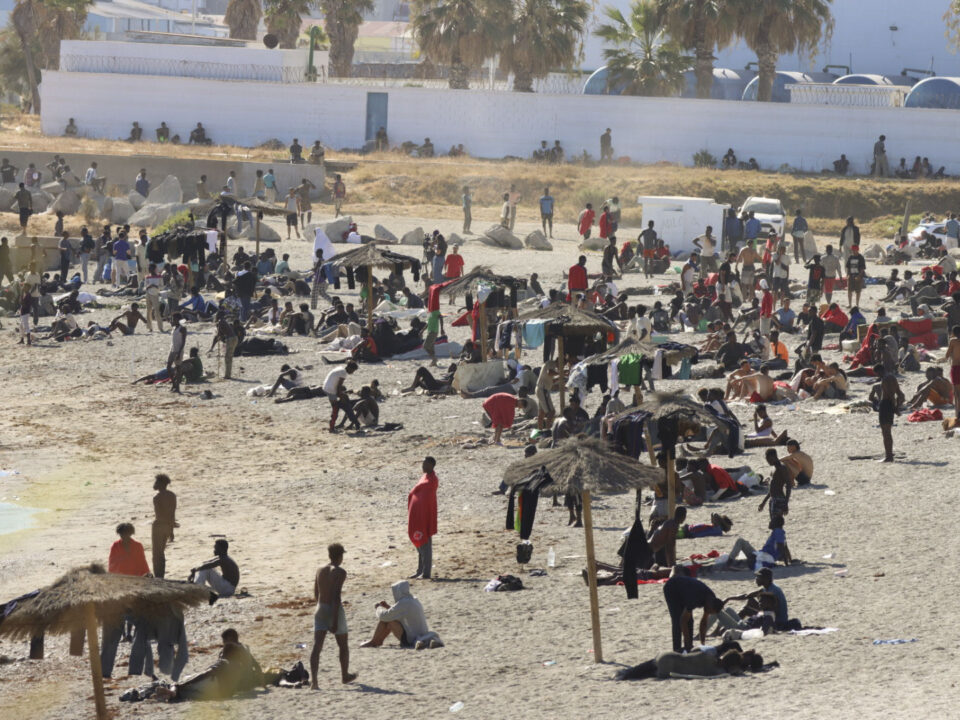
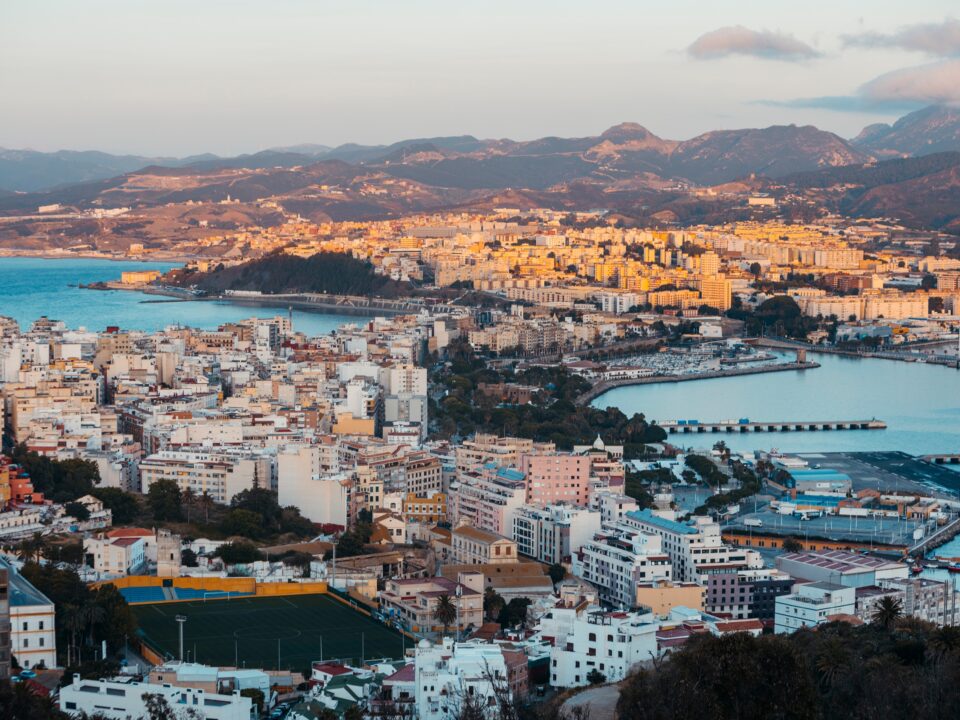
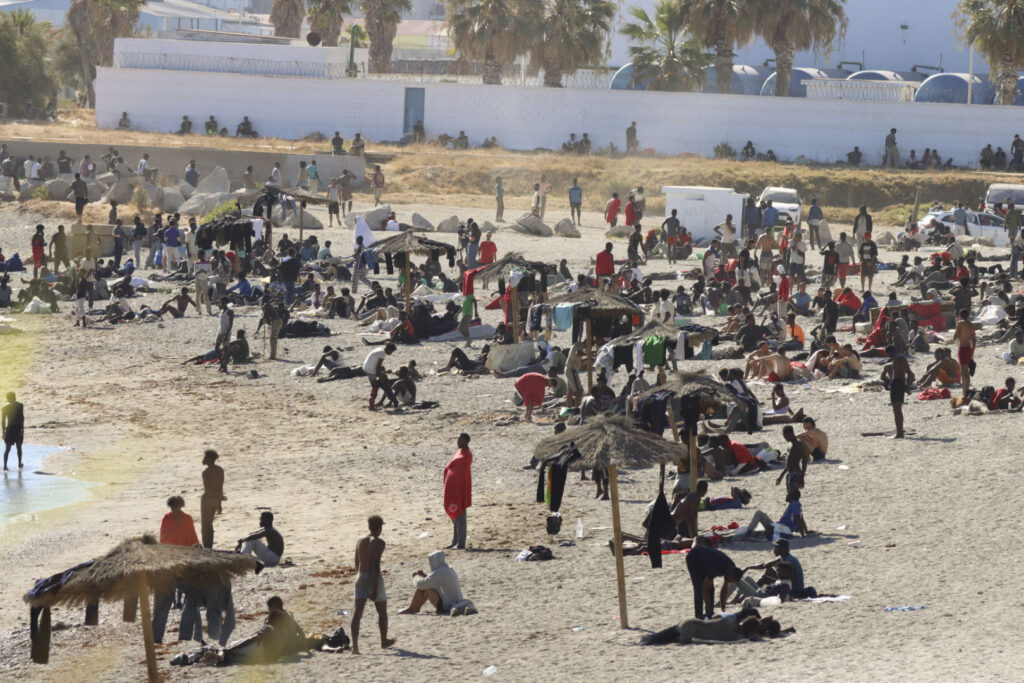
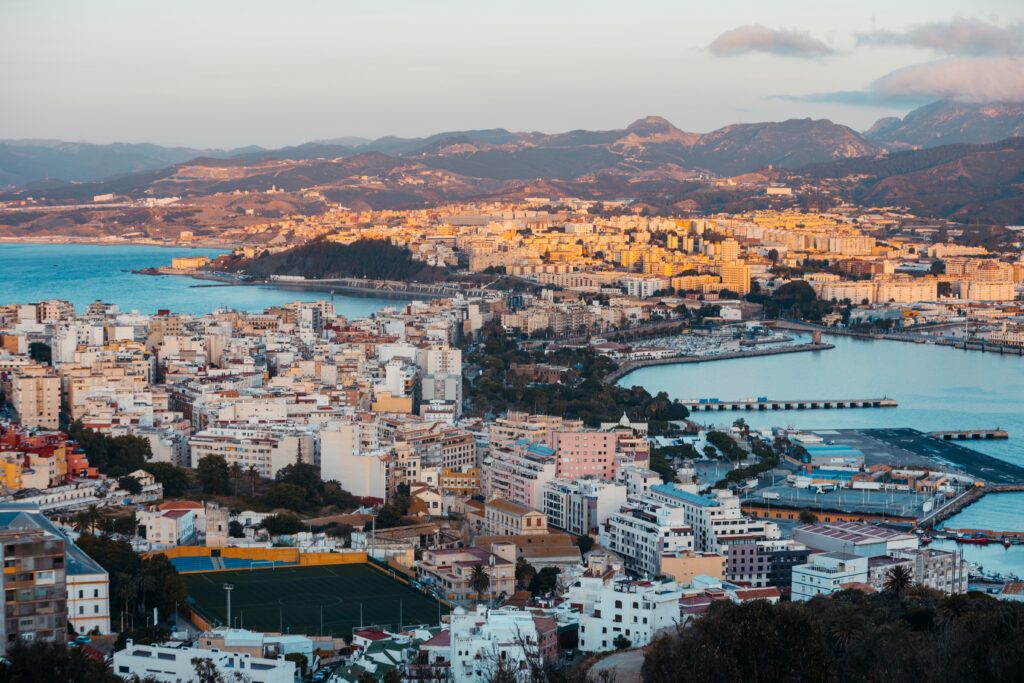
Ceuta has been the epicentre of the largest arrival of illegal immigrants to Spain on a single day since 1995. At the end of May 17th, over 5.000 people had crossed into Spanish territory.
Most of these 5.000 people are young men, among them many minors. They have accessed the Spanish city by swimming from the breakwaters in the Bay of Ceuta, with the evident inaction and acquiescence of Moroccan security forces.
The images of queues of people in the Moroccan side of the border waiting for their turn to cross into the European land of Ceuta have transpired throughout the night. At the same time, the authorities in Ceuta were meeting to try to deal with an unprecedented institutional crisis. The inflow of irregular population into EU territory has broken all records and requires immediate action to manage the parallel humanitarian, institutional and diplomatic crises that the European Union faces.
Last Friday, the Observatorio de Ceuta y Melilla organised a conference that presented and analysed the reality of Ceuta and Melilla as Europe’s southern border.
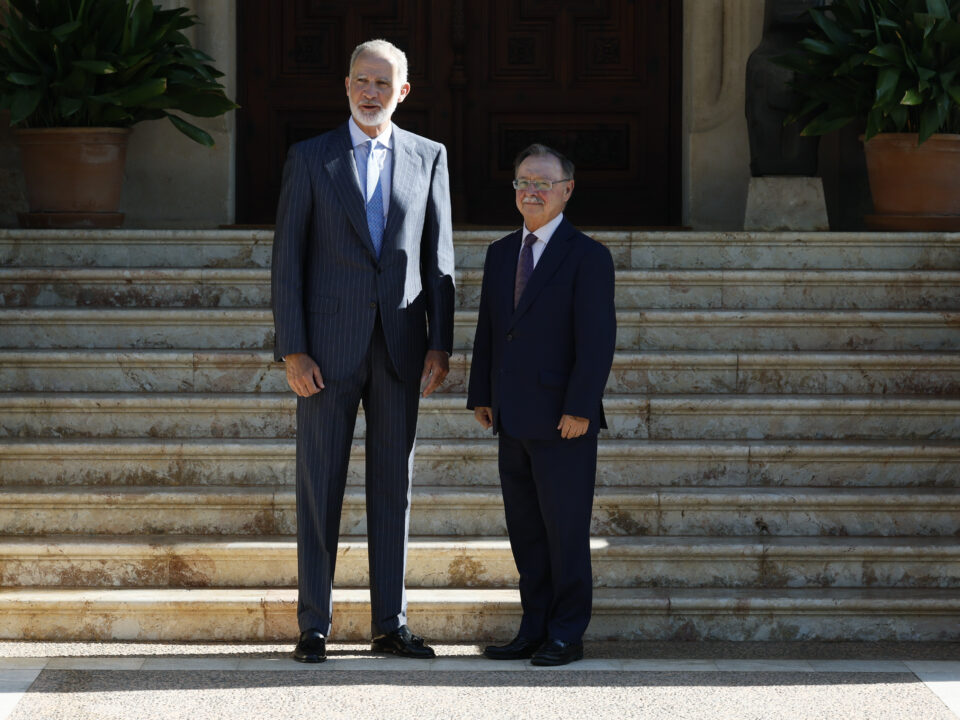
The panellists were Ceuta’s second vice-president Carlos Rontomé, MEPs Juan Fernando López Aguilar (S&D) and Juan Ignacio Zoido (EPP), and Colonel Antonio Sierras, commander of the Guardia Civil in Melilla. They all agreed that greater EU implication in its southern border of Ceuta and Melilla is necessary.
Moreover, the conference made it clear that Morocco is pursuing a well-defined strategy on Ceuta and Melilla and has the will to see it through in the long term. Both Carlos Rontomé and Juan Fernando López Aguilar noted the power that Rabat holds over Spain and the EU with its ability to control the migration flows. They both used the example of the illegal border crossings swimming from the breakwaters in Ceuta. This was a sort of foresight of what has been occurring in the last few hours.
By contrast, Col. Sierras mentioned the involvement, during the morning of Friday 14th, of the Moroccan gendarmerie in stopping a mass border-crossing attempt before the migrants reached Melilla. There is a key conclusion to draw: Morocco decides when and how the illegal border crossings into Spanish and EU territory occur. It is clear that Rabat uses migration flows as a tool of its Ceuta and Melilla strategy.
In the specific case of the recent unprecedented mass crossing into Ceuta, most of the migrants are young Moroccans. As some analysts have pointed out, Morocco is using its own population as ammunition and as tools of this well-defined strategy. These actions are complemented by regular vindications from Rabat about the issue of the sovereignty of the cities, as well as by the unilateral Moroccan closure of the land border with the two cities and the restrictions imposed on trade flows in and out of the cities. Morocco’s territorial claims in the Western Sahara are also important for the two cities, as the report ‘Morocco, the Strait of Gibraltar and the military threat over Spain’ points out. The report identifies Morocco as a regional power emboldened by the increasing international recognition of its territorial claims in Western Sahara.
What has occurred in Ceuta requires a strong and resolute response by the Spanish government, and also by the European Commission and all other European authorities, since Morocco is directly challenging Brussels as well. It is time for the European Union to react to what is happening in its southern border.